
What Listening Really Looks Like in Leadership
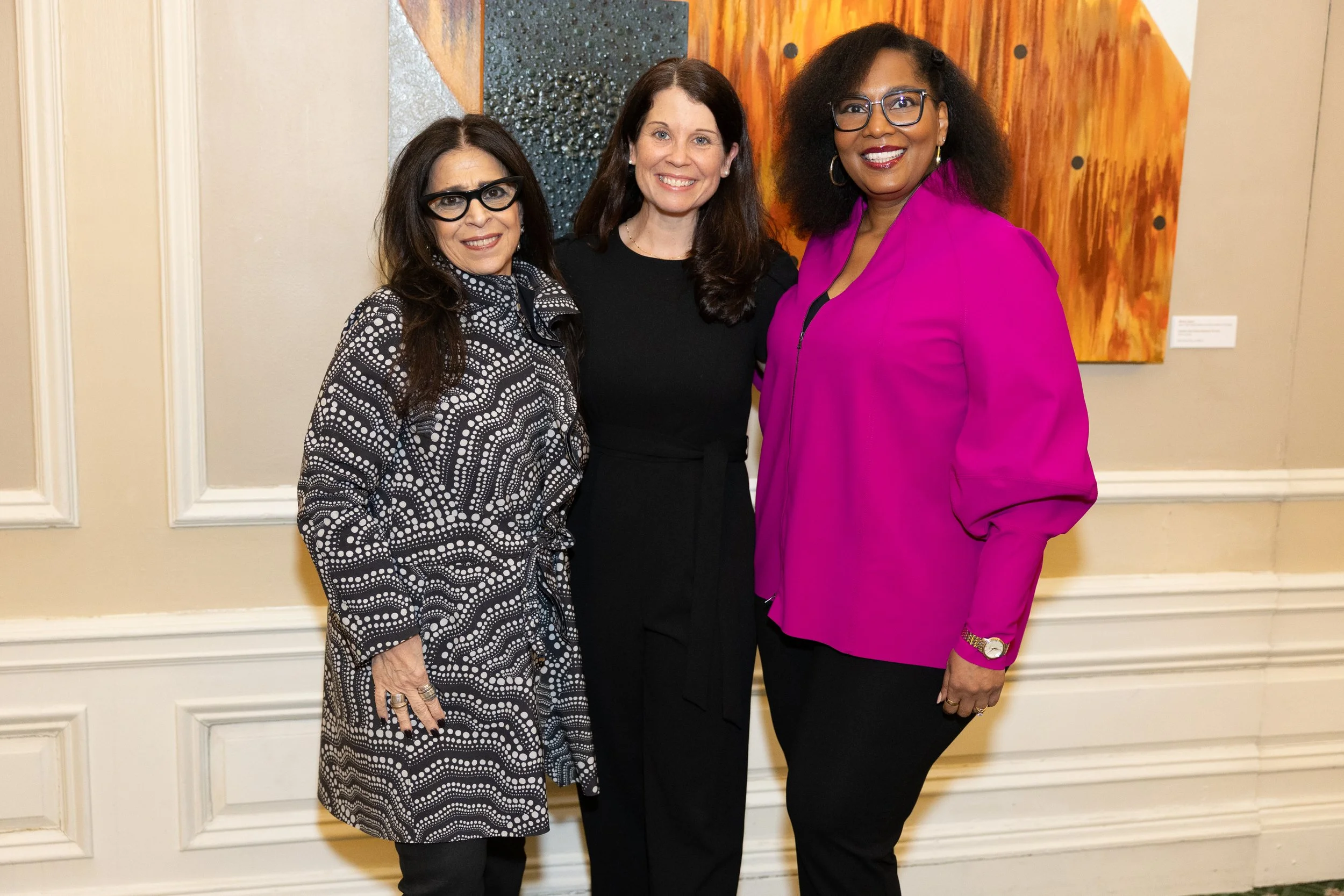
I recently had the opportunity to host a fireside chat with Maria Pinto as part of the PWCC March luncheon, and it’s one of those conversations that has stayed with me.
On the surface, it was a great event. A packed room. A strong sense of community. A meaningful way to celebrate Women’s History Month.
But what stood out most wasn’t just the setting or the moment. It was how Maria talked about building and sustaining relationships over the course of her career.
Maria has spent more than 35 years building her brand and her business. When you hear that, it’s easy to assume success comes from having a clear vision and executing against it.
What she described was something more nuanced.
She talked about listening.
Not in a passive way. In a way that is active, intentional, and ongoing.
Listening to her clients.
Responding to what she hears.
Anticipating what they will need next, even as those needs evolve.
And over time, those needs have changed significantly.
What worked early in her career is not what works now. Her ability to stay relevant and connected has come from her willingness to adapt without losing her core point of view.
That balance is not easy.
It requires paying close attention to what’s happening around you while staying grounded in what you believe and what you offer.
It also requires a level of discipline that many leaders underestimate.
Listening sounds simple. In practice, it means:
Creating space for real feedback
Being open to changing direction
Letting go of assumptions about what people need
Staying curious, even when you have years of experience
This is something I see come up often in my work with leaders, especially during transitions.
Leaders step into new roles with a strong track record and a clear sense of what has worked before. That experience matters. It’s valuable.
But without listening first, it can also become a limitation.
The context has changed. The people are different. The expectations are not always what they seem.
And just like Maria described, success often comes down to how well you can:
Understand what people actually need
Adjust your approach without losing clarity
Build trust through responsiveness and awareness
It’s easy to think of listening as a soft skill.
In reality, it’s a strategic one.
It shapes how leaders connect, how they make decisions, and how they build momentum over time.
That conversation was a reminder that leadership isn’t just about having the right answers.
It’s about asking better questions, paying attention to what you hear, and being willing to evolve as a result.
When I think about leadership transitions, this becomes even more important.
The leaders who navigate onboarding most effectively are not the ones who move the fastest or come in with all the answers. They are the ones who take the time to listen, understand the context, and build a clear picture of what’s actually needed before acting.
That early investment in listening is often what determines whether a transition builds momentum or creates friction.
It’s not just a leadership skill.
It’s a leadership advantage.