

Inside the First 30 Days: Where I See Leaders Struggle
There’s a common assumption that experienced leaders don’t need much onboarding support.
But the data and experience say otherwise. Leadership transitions fail more often than most organizations expect, not because of capability, but because of gaps in alignment, context, and support.
What Listening Really Looks Like in Leadership
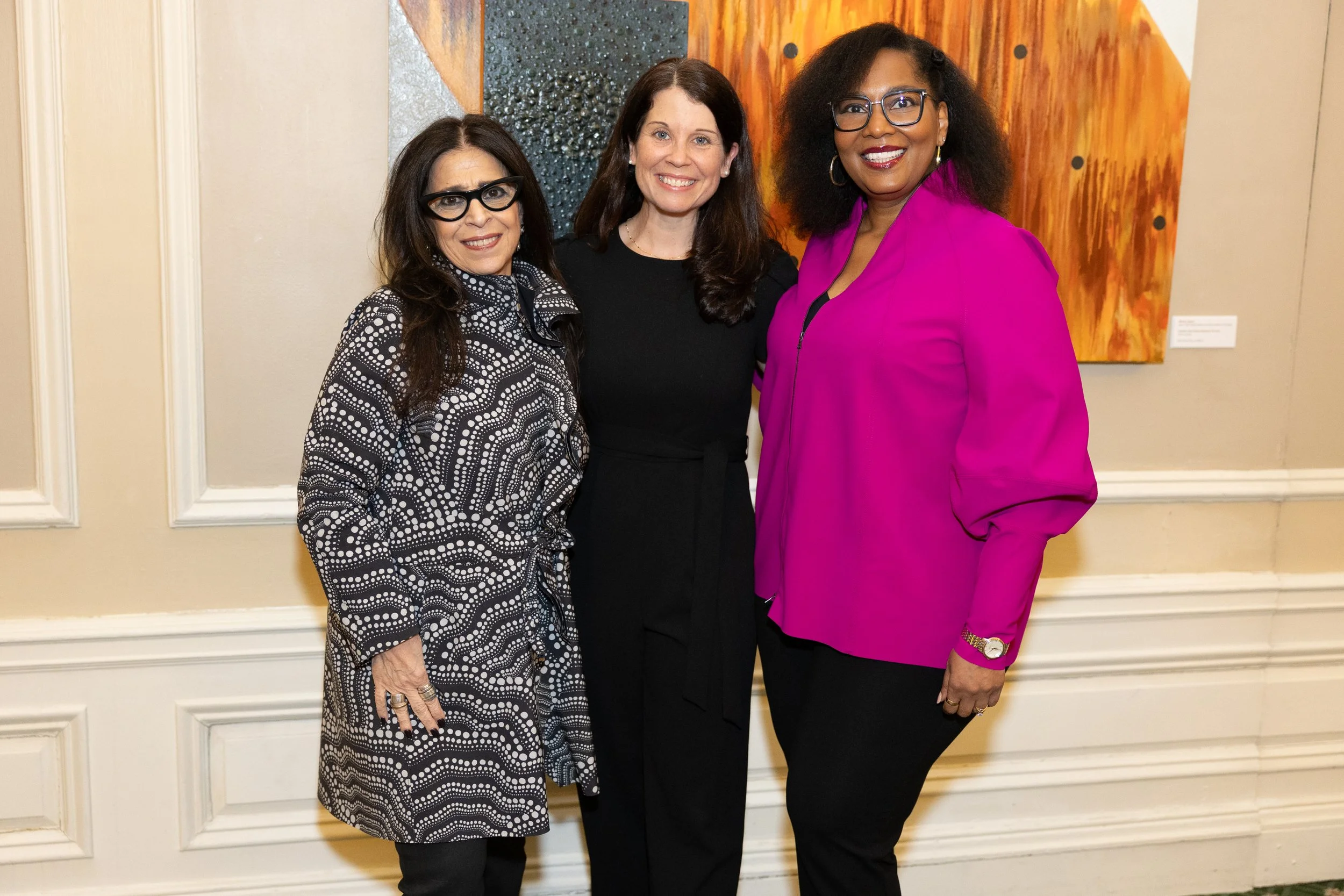
I recently had the opportunity to host a fireside chat with Maria Pinto as part of the PWCC March luncheon, and it’s one of those conversations that has stayed with me.
On the surface, it was a great event. A packed room. A strong sense of community. A meaningful way to celebrate Women’s History Month. But what stood out most wasn’t just the setting or the moment.

Four Years In, and the Problem Still Exists
This month marks 4 years of Promote Leaders. When I started this work, it wasn’t about building a business for the sake of it. It was about solving a problem I kept seeing over and over again.

Onboarding Insight: Clarity Before Momentum
One of the biggest mistakes I see leaders make early on is moving too quickly. There’s pressure to show value, and there’s urgency to make an impact. However, without context, speed can create more problems than it solves.

Why Difficult Conversations Matter
Last week, I hosted a session with nonprofit Board members focused on something that doesn’t get talked about enough: difficult conversations.
What stood out to me wasn’t just the topic, but how consistently it shows up across organizations. The conversation reframed something very important.

The Organizational Cost of Poor Executive Onboarding
In my work with leadership teams and Boards, I often see how much time and care goes into hiring senior leaders.
Search processes are thorough. Stakeholders are involved. Decisions are carefully debated. By the time an offer is accepted, there’s usually a strong sense of confidence that the hardest part is behind the organization.

From Intention to Impact: Why Executive Onboarding Determines Leadership Success
Organizations invest extraordinary time and attention in hiring senior leaders.
Search committees are formed. Interviews stretch across months. References are carefully reviewed. Boards and executives debate the decision thoughtfully because they know the stakes are high.

Getting Yourself Ready for the Role
When we talk about onboarding, the conversation usually centers on the organization - what information should be shared, what meetings should be set up, how quickly a new leader should be ready to contribute.
Those questions matter. But over time, I’ve come to believe that one of the most overlooked parts of onboarding has very little to do with the organization at all.

Where Paperwork Ends and Leadership Begins
Most onboarding conversations begin in the same place. Forms. Policies. Systems. Compliance. The necessary mechanics that allow a new hire to function inside an organization. Those elements matter. But over time, I’ve seen many organizations confuse the completion of these tasks with successful onboarding.

The Myth of the “Ready-Made Executive”
We love the idea of the ready-made executive. It is comforting to believe that experience alone prepares leaders for anything. But in reality, even the most seasoned executives hit turbulence when they enter a new organization. Because leadership does not exist in a vacuum. It exists inside a system.

Stop Setting New Leaders Up to Fail in Their First 90 Days
There’s something that happens inside organizations after a big leadership hire. A kind of collective exhale. The search process was long, the interviews intense, and the final decision often political. But once the offer is accepted and the press release goes out, everyone feels like they can finally move on.

Mentoring in a Remote Workplace: Building Connection When the Office Is No Longer the Center
When I think about the most impactful mentors in my career, I remember the small moments. Sitting in an office after a tough meeting and hearing, “You handled that well, but let’s talk about what you could try next time.” Getting invited to tag along to a client call where I could watch someone more experienced in action. Even quick conversations in the hallway where someone offered a new perspective that stayed with me for years.

Leveraging Generational Diversity in the Workplace
One of the most common questions I get from leaders is how to bridge the gap between generations in the workplace. Whether it's a Baby Boomer trying to understand Gen Z or a Millennial managing someone old enough to be their parent, the mix of perspectives, experiences, and expectations can feel like both a blessing and a challenge. And the truth is it’s both.

Can They Hear You? Adapting Your Communication to Different Styles
Leadership is not repeating the same message a few times and checking it off the list. I quickly learned that clarity is not about how many times you say something; it’s about how well it’s received. Communication isn’t about what you say. It’s about what people hear.

Leading Through the Hard Moments: Navigating Difficult Conversations with Care and Clarity
If you lead long enough, you’ll eventually find yourself facing a moment you’d rather not. A hard conversation. Disappointing news to deliver. Early in my leadership journey, I dreaded these conversations. Not because I didn’t care, but because I cared so much. And yet, over time, I realized that avoiding these conversations didn’t protect anyone. The issue often just got bigger, slowing down progress for everyone involved.

Beyond the Promotion: Rethinking Employee Development That Actually Builds Leaders
When we talk about developing our people, it’s easy to default to the obvious. Send them to a course, give them more responsibility, maybe assign a mentor. But the truth is, effective employee development is rarely one-size-fits-all.
If we want to create leaders at every level, we need to think more broadly. That starts with shifting our mindset. Development is not about preparing someone for their next title. It is about creating the conditions for them to grow in skill, confidence, and impact right where they are.

Clarity in Action: Mastering Concise Communication in Leadership
One of the most underrated leadership skills? Concision. We often think effective communication means saying more: more detail, more background, more explanation. But as leaders, our real power comes from knowing what not to say, and how to say what matters most, with purpose and clarity. In a world overflowing with messages, meetings, and to-do lists, our teams and colleagues don’t need more noise. They need clarity.

Accelerate Results By Moving at Pace, A Realistic Guide
In leadership, momentum is everything. The right pace can energize teams, drive productivity, and accelerate results, but get it wrong, and you risk burnout, confusion, or stagnation. Finding that sweet spot between urgency and sustainability is an art, and one that leaders must master to keep their teams engaged, focused, and effective.

New Year, New Leadership Horizons: Expanding Vision and Strategic Influence
The start of the year always brings a mix of reflection and ambition. We set big goals, envision growth, and commit to becoming better leaders. But here’s the thing: growth isn’t just about setting goals. It’s about expanding how we see the future, influence others, and lead with clarity and confidence.

Embracing Realistic Optimism
Heading into the New Year, we are filled with hope and eager to set new goals. As we capitalize on this powerful energy to build a better life, career, and relationships, we have to remember it is challenging to change. A few weeks in, we’re often overwhelmed with the inevitable obstacles that come up when attempting to change. Well, you’re not alone, the art of leading through adversity isn’t for the faint of heart. But here’s a little secret that’s changed my approach and might just reshape yours too: becoming a realistic optimist.